

A1 Certificate German: Everything You Need to Know for Beginner-Level Proficiency
In today's globalized world, knowing a second or perhaps a third language has actually become an important property, both in personal and professional lives. Amongst the numerous languages spoken worldwide, German holds a substantial location due to Germany's economic strength, cultural prominence, and educational opportunities. The A1 Certificate in German is the first step for anyone seeking to discover the language and an entry point into the Common European Framework of Reference for Languages (CEFR).
Whether you wish to take a trip, research study, or work in German-speaking nations or just want to develop a new ability, the A1 German certificate is the foundation that assists learners obtain basic interaction abilities. In this post, we will explore what the A1 certificate requires, why it is crucial, and how you can prepare effectively for it.
What is the A1 Certificate in German?
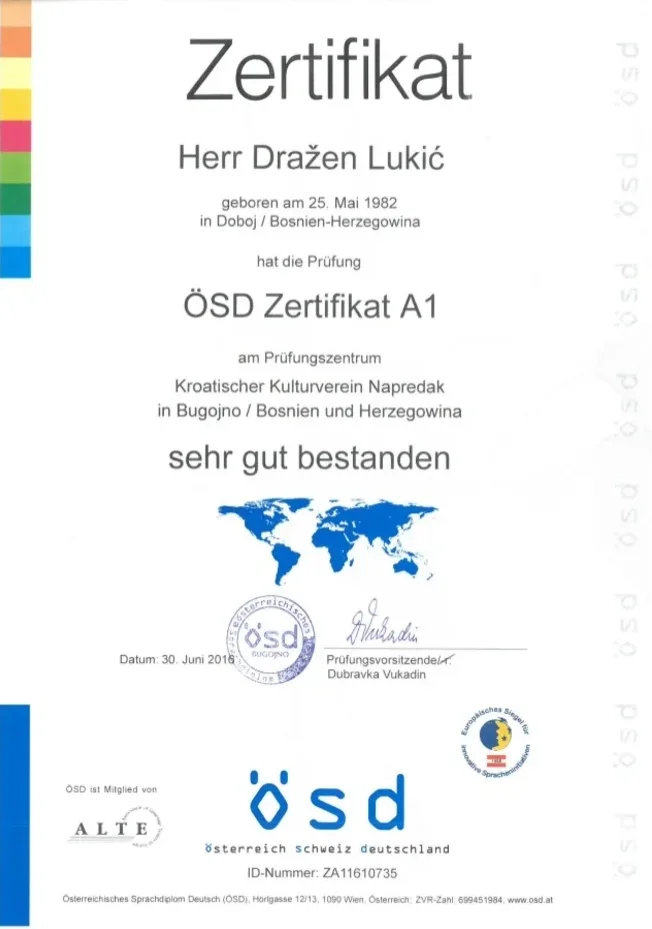
The A1 certificate is a formal qualification that certifies standard understanding and usage of the German language. Released by institutions like Goethe-Institut, TELC, or ÖSD, it is lined up with the A1 level of the CEFR. This level is designed for novices who wish to familiarize themselves with elementary German.
At the A1 level, learners are anticipated to:
Understand and use familiar, daily expressions and extremely standard expressions.
Introduce themselves and ask or address individual concerns (e.g., name, age, occupation, family relationships).
Engage in integriertes deutschmodell , supplied the other individual speaks slowly and plainly and wants to assist.
The A1 certificate is generally required for jobs such as getting a family reunion visa for Germany and is likewise the first turning point for anyone pursuing profession or education chances in German-speaking countries.
Why is the A1 Certificate in German Important?
Educational and Professional Opportunities: If you prepare to study in Germany, Austria, or Switzerland, a recognized language certificate such as A1 is often a requirement. It also sets the phase for transferring to greater levels like A2, B1, and beyond, which are necessary for universities and offices.
Visa and Immigration Processes: Many German visa categories, consisting of the family reunion visa, need applicants to demonstrate fundamental German knowledge. The A1 certificate fulfills this requirement.
Cultural Integration: Having a fundamental understanding of German is important for connecting with locals and adjusting to life in German-speaking countries. It shows a desire to incorporate and engage with the neighborhood.
Self-confidence in Communication: For travelers or those traveling to German-speaking nations on a short-term basis, the A1 level helps with basic interactions, such as purchasing food, requesting instructions, and making little purchases.
Structure of the A1 German Language Test
The A1 evaluation generally consists of four sections that examine the fundamental elements of language knowing. These include:
Listening: Testing the capability to comprehend easy spoken German. The tasks may involve listening to dialogues, statements, or brief messages.
Reading: Evaluating understanding of basic composed texts such as notifications, emails, or advertisements.
Writing: Testing basic writing abilities, such as composing a short individual email or completing kinds.
Speaking: Assessing the ability to introduce oneself, ask and respond to concerns, and participate in quick discussions.
How to Prepare for the A1 Certificate in German?
Preparation plays a vital role in passing the A1 examination. Below are some actions and ideas to assist you succeed:
1. Enlist in a German Language Course
Going to a structured language course-- whether online or personally-- can provide guided knowing and practice under the guidance of experienced trainers. Institutions like Goethe-Institut, TELC, and Duolingo use beginner-friendly German courses for A1 preparation.
2. Acquaint Yourself with Vocabulary and Grammar
A1 level requires standard grammar and vocabulary understanding. A few of the essential grammar ideas consist of:
Subject-verb arrangement.
Present ösd b2 .
Basic syntax.
Certain and indefinite short articles (der/die/das, ein/eine).
Typical vocabulary topics include:
Greetings and intros.
Numbers, days, and months.
Food, clothing, and family products.
Instructions and locations.
3. Use Online Resources and Apps
Language learning apps like Babbel, Duolingo, and Memrise are excellent tools for building fundamental German skills. In addition, YouTube channels and podcasts often provide interesting ways to practice listening and speaking.
4. Practice Speaking with Language Partners
Joining language exchange platforms, such as Tandem or HelloTalk, can help you discover native German speakers prepared to communicate with you. Practicing your speaking skills frequently improves fluency and builds self-confidence.
5. Take Practice Tests
Many main exam providers use sample tests to help students understand the format and types of concerns they will deal with. Familiarizing yourself with these products will help you approach the test with clarity and confidence.
6. Stay Consistent
Regular practice is vital for mastering any language. Even dedicating 30 minutes a day to discovering German will cause significant enhancement with time.
Frequently Asked Questions (FAQs).
Q1: Who should take the A1 German certificate test?
The A1 certificate is ideal for outright newbies with little to no previous experience with the German language. It is especially beneficial for people looking for household reunion visas, trainees preparing for higher-level certifications, and tourists traveling to German-speaking nations.
Q2: How long does it require to get ready for the A1 test?
On average, it takes about 80-- 120 hours of study to prepare adequately for the A1 level, depending on an individual's learning speed and previous direct exposure to the language.
Q3: Where can I take the A1 German test?
The test can be taken at acknowledged language organizations such as Goethe-Institut, TELC, or ÖSD. These companies have branches and centers worldwide.
Q4: Is the A1 certificate valid for life?
Yes, when you earn the A1 certificate, it stays legitimate permanently. Nevertheless, for higher-level research studies or specialized work chances, you might need to achieve advanced efficiency levels (e.g., B1, B2).
Q5: What is the passing score for the A1 exam?
The passing requirements differ a little depending upon the institution carrying out the test. Normally, prospects require to score a minimum of 60% general to pass the exam.
Q6: Can I take the A1 exam online?
Some organizations provide online tests; however, numerous still need students to take the test personally. It is best to contact your selected test supplier for the most accurate details.
Secret Takeaways: Benefits of Earning an A1 Certificate.
By completing the A1 German exam, learners gain:.
A solid structure for advancing to greater language proficiency levels.
The ability to browse standard discussions and everyday circumstances while in Germany.
Much better chances for immigration, education, and travel functions.
A sense of achievement that encourages additional expedition into the German language and culture.
With decision, constant practice, and the right resources, passing the A1 evaluation is an attainable goal. This essential certificate is not just a stepping stone however also a gratifying experience that opens doors to the vibrant German-speaking world.
Language learning is a journey, and the A1 certificate marks the start of an exciting adventure in mastering German. Whether for individual development or useful requirements, this beginner-level certification is the first step in checking out chances and getting in touch with millions of German speakers worldwide. So dive in, keep practicing, and prepare yourself to say, "Ich kann ein bisschen Deutsch sprechen!".